
The history of Sarasota, FL, is closely intertwined with the legacy of one man: John Ringling. As one of the famous Ringling Brothers who revolutionized the circus industry, John Ringling, along with his wife Mable, played a pivotal role in shaping Sarasota into the vibrant, artistic, and culturally rich city it is today. The Ringling influence extends far beyond the circus tents; their vision, investments, and contributions helped transform Sarasota from a quiet coastal town into a thriving cultural hub.
Early Inhabitants: The Native American Influence
Long before Sarasota, FL, became a sought-after destination for beach lovers and snowbirds, it was home to Native American tribes. Archaeological evidence suggests that the area was inhabited for thousands of years by indigenous peoples, including the Calusa and the Tocobaga tribes. These early inhabitants left behind a rich legacy, including shell mounds and artifacts that tell the story of their lives along Sarasota’s coastline.
The Calusa were known as fierce warriors and skilled fishermen, utilizing the abundant marine resources of the Gulf of Mexico. They built complex societies and established trade routes with other Native American tribes across Florida and beyond. The Tocobaga, who lived to the north of Sarasota, also played a significant role in the region’s early history, with evidence of their presence found in nearby areas like Tampa Bay.
Spanish Exploration and Early European Settlers
In the 16th century, Spanish explorers arrived on the shores of what is now Sarasota, FL. One of the most notable explorers was Hernando de Soto, who is believed to have passed through the area during his quest for gold and riches in the New World. Although De Soto’s expedition did not lead to the establishment of permanent European settlements in Sarasota, it marked the beginning of European influence in the region.
Over the next few centuries, Sarasota, FL, remained largely undeveloped, with Spanish and later British forces vying for control over the region. The area became a part of the United States after the signing of the Adams-Onís Treaty in 1819, which officially ceded Florida from Spain to the United States. However, it wasn’t until the late 19th century that Sarasota began to see more significant development.
The Arrival of European Settlers
In the mid-1800s, European settlers began to make their way to Sarasota, FL, attracted by the region’s warm climate and fertile land. One of the earliest and most influential settlers was William H. Whitaker, who arrived in the Sarasota area in the 1840s. Whitaker is often credited with being one of the first European-American settlers in Sarasota, establishing a homestead and trading post near what is now Whitaker Bayou.
Whitaker’s settlement helped lay the foundation for the future growth of Sarasota. Other pioneers soon followed, including Scottish colonists who arrived in the 1880s, seeking to establish agricultural communities. These early settlers faced many challenges, including harsh weather conditions, isolation, and conflicts with Native American tribes during the Seminole Wars. However, their perseverance helped Sarasota, FL, grow into a small but thriving community by the end of the 19th century.
The Arrival of John and Mable Ringling in Sarasota
In the early 20th century, John and Mable Ringling discovered Sarasota during their travels and saw immense potential in the city. Drawn by its natural beauty and coastal charm, the Ringlings decided to make Sarasota their winter home, a move that would forever change the course of the city’s history.
At the time of their arrival, Sarasota was still a relatively small, undeveloped area. The Ringlings envisioned something grander—an artistic, cultural hub that would attract talent and visitors from across the country. Their influence on Sarasota’s development began with real estate, but it quickly expanded to art, education, and philanthropy.
The Ringling Museum of Art: A Cultural Legacy
One of the most significant and lasting contributions of John and Mable Ringling to Sarasota was the establishment of the Ringling Museum of Art. Built in the 1920s, the museum became John Ringling’s crowning achievement in Sarasota. He had always been a passionate art collector, and with the museum, he sought to bring European culture and art to the Florida coast. The Ringling Museum of Art was modeled after the Italian Renaissance architecture that John and Mable admired during their travels in Europe.
Today, the museum remains one of Sarasota’s most important cultural institutions, housing an extensive collection of European paintings, sculptures, and decorative arts. Its galleries feature works by renowned artists such as Peter Paul Rubens, Diego Velázquez, and Titian, making it one of the premier art museums in Florida. The museum’s collection and exhibitions continue to attract art lovers from around the world, and it stands as a testament to the Ringlings’ commitment to enriching the cultural fabric of Sarasota.
Ca’ d’Zan: A Symbol of Ringling Grandeur
In addition to the museum, John and Mable Ringling left another iconic landmark in Sarasota: **Ca’ d’Zan**, their Venetian Gothic-inspired mansion. Completed in 1926, Ca’ d’Zan stands as one of the most magnificent homes on Florida’s Gulf Coast, showcasing the couple’s love for Venice and European architecture.
The mansion, with its ornate design, marble terraces, and stunning views of Sarasota Bay, became a symbol of the Ringlings’ wealth, vision, and love for Sarasota. Today, Ca’ d’Zan is part of the Ringling estate and is open to the public, offering visitors a glimpse into the luxurious lifestyle of one of America’s most famous families. The estate serves as a reminder of the lasting impact that the Ringlings had on Sarasota, not just in terms of culture and art, but also in shaping the city’s architectural landscape.
The Ringling College of Art and Design
John Ringling’s influence on Sarasota didn’t stop at art collection and architecture. He also had a strong belief in the importance of education and sought to make Sarasota a hub for artistic talent. In 1931, Ringling helped establish the Ringling College of Art and Design, a small art school that has since grown into one of the nation’s top institutions for visual arts education.
Ringling College continues to produce talented artists, filmmakers, designers, and creative professionals who contribute to Sarasota’s reputation as an arts-focused city. The school’s emphasis on innovation, creativity, and real-world experience aligns with the forward-thinking vision that John Ringling had for Sarasota as a center of culture and learning.
Circus Influence: The Winter Quarters of the Ringling Bros. and Barnum & Bailey Circus
Beyond their contributions to art and education, the Ringlings’ most direct influence on Sarasota came from their connection to the circus. In 1927, John Ringling moved the **Ringling Bros. and Barnum & Bailey Circus** winter quarters to Sarasota. This decision had a profound impact on the local economy and culture, as it turned Sarasota into a circus town, drawing performers, artists, and circus enthusiasts to the area.
The presence of the circus helped foster Sarasota’s reputation for creativity and entertainment. The Ringling Circus Winter Quarters became a training ground for circus performers and a popular tourist attraction. Even today, the influence of the circus is felt in Sarasota’s cultural life, with events like the Sarasota Circus Arts Conservatory and the Ringling International Arts Festival continuing to celebrate Sarasota’s connection to the big top.
Sarasota’s Modern Development
Throughout the 20th century, Sarasota, FL, continued to grow and evolve. The post-World War II boom brought a wave of new residents to the area, many of whom were drawn by the city’s picturesque beaches and mild climate. By the 1960s and 1970s, Sarasota had become a popular destination for retirees and vacationers, leading to significant real estate development and the expansion of the city’s infrastructure.
In recent decades, Sarasota has solidified its reputation as a premier destination for arts, culture, and luxury living. The city’s downtown area has undergone significant revitalization, with new restaurants, galleries, and theaters contributing to its dynamic urban environment. Today, Sarasota, FL, is known for its world-class beaches, including Siesta Key Beach, as well as its thriving cultural institutions like the Sarasota Opera and the Asolo Repertory Theatre.
From its early Native American inhabitants to its modern-day status as a cultural and tourist hotspot, Sarasota, FL, has a rich and diverse history. The city’s development over the centuries has been shaped by a wide range of influences, from Spanish explorers to European settlers, to the transformative impact of the Ringling family. Today, Sarasota, FL, stands as a testament to its unique past, offering visitors and residents alike a glimpse into its fascinating history while embracing the future with open arms.
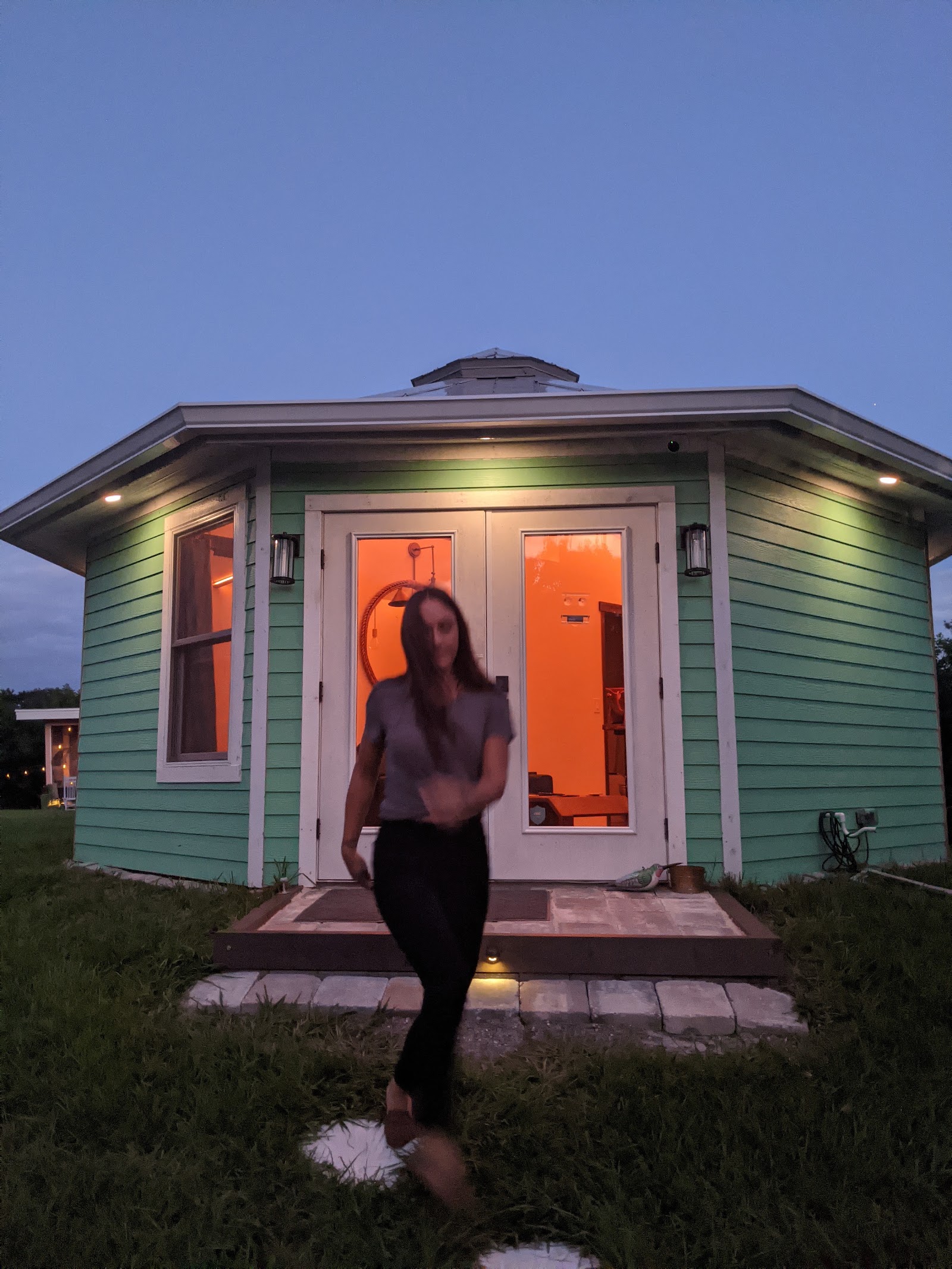
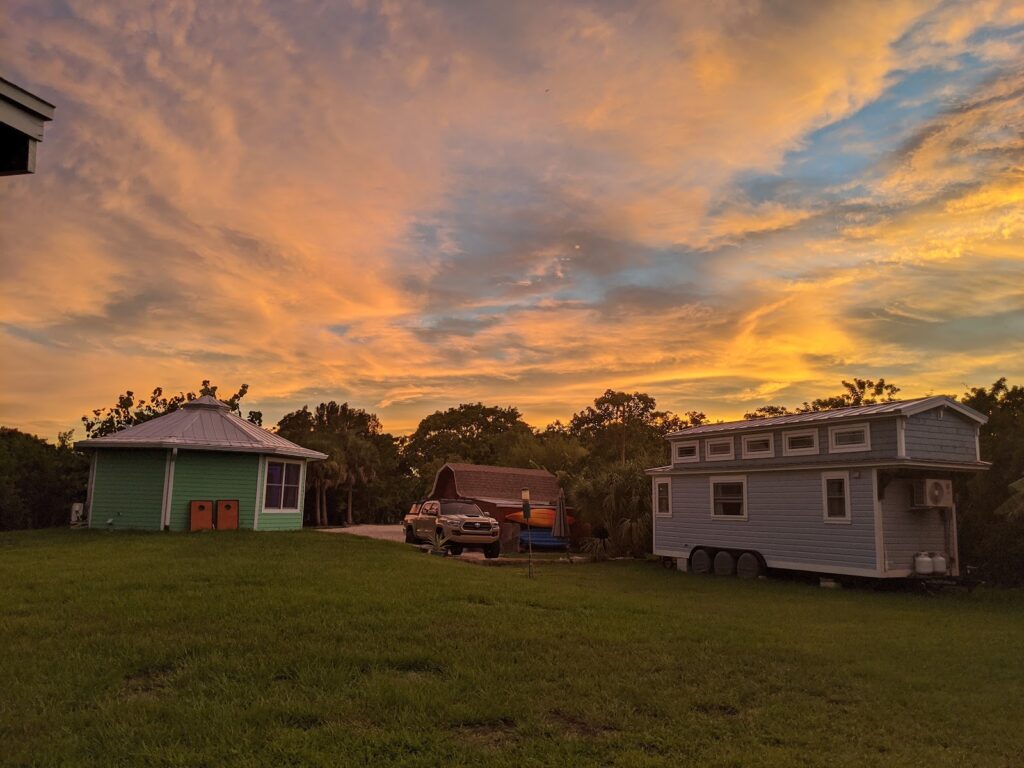
Planning a Sarasota getaway? Skip the hotels and stay in one of our tiny house vacation rentals near Siesta Key — book direct and skip the Airbnb fees. View both Sarasota properties →
The Ringling Legacy Today
John Ringling’s death in 1936 marked the end of an era for Sarasota, but his and Mable’s legacy continues to shape the city. Their generous donations of land, art, and resources laid the foundation for Sarasota’s thriving cultural institutions. The Ringling Museum of Art, Ca’ d’Zan, and Ringling College of Art and Design remain cornerstones of the city’s identity, while the circus heritage continues to be celebrated in the community.
Sarasota, FL, has grown from a quiet coastal town into a bustling city with a reputation for the arts, thanks in large part to the Ringling family’s influence. Whether you’re visiting the museum, attending a performance, or strolling through the city’s historic districts, the impact of John and Mable Ringling is undeniable. They transformed Sarasota into a cultural oasis, and their contributions will be felt for generations to come.
The story of Sarasota, FL, is incomplete without recognizing the profound influence of John and Mable Ringling. Their vision and contributions to the arts, architecture, and education turned Sarasota into a vibrant, world-class destination for culture and creativity. The Ringling legacy is not just a part of Sarasota’s history—it’s the foundation of the city’s identity.
Planning a Sarasota getaway? Skip the hotels and stay in one of our tiny house vacation rentals near Siesta Key — book direct and skip the Airbnb fees. View both Sarasota properties →
🏡 Planning a trip to Sarasota or St. Pete?
We have 4 unique vacation rentals available for direct booking: 2 charming tiny homes on Shellmate Island in Sarasota, and 2 studios in St. Petersburg, FL. Skip the booking fees and reserve directly!
Browse Available Rentals →